Dental check-ups and X-rays in Durban North
Catch decay and gum problems early, while they are small and the treatment is simpler.


A check-up, or dental consultation, is the place to start if you're new to us or haven't been for a while. See what to bring to your first visit.
What happens at your check-up
-
Step 1: Tell us about you
Your medical history, any medicines you take, and anything about your teeth that has been bothering you.
-
Step 2: Examination
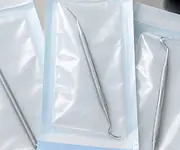
We examine your teeth, gums, bite and the rest of your mouth.
-
Step 3: X-rays if needed
Only when we need to see more than the examination shows.
-
Step 4: Your plan
What we found, and your options for anything that needs treatment.
What we look for
- Your teeth: decay, cracks, and fillings that are worn or broken.
- Your gums: bleeding, tartar, and pockets, which are spaces where the gum has come away from the tooth. If your gums bleed when you brush, read why gums bleed.
- The rest of your mouth: your tongue, cheeks, lips and the roof of your mouth, for anything unusual, including early signs of mouth cancer.
- Your bite and jaw: signs of grinding, such as worn or chipped edges. If you grind your teeth, ask about a night guard.
Dental X-rays: what they show and how often you need them
X-rays show:
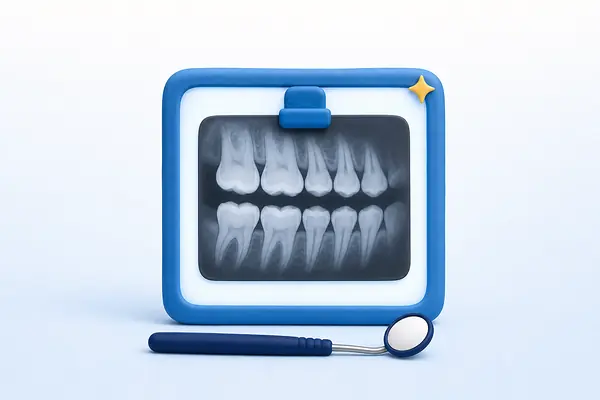
- decay between the teeth and under old fillings;
- the level of the bone that holds your teeth;
- infection at the tip of a root;
- adult teeth still growing under the gum.
There's no fixed schedule: how often you need them depends on your risk of decay and gum disease, and on any symptoms you have.
Check-ups for children
Visits while nothing hurts let a child get to know us before they ever need treatment. The American Academy of Pediatrics advises a first dental check-up by the first birthday, or within six months of the first tooth coming through.
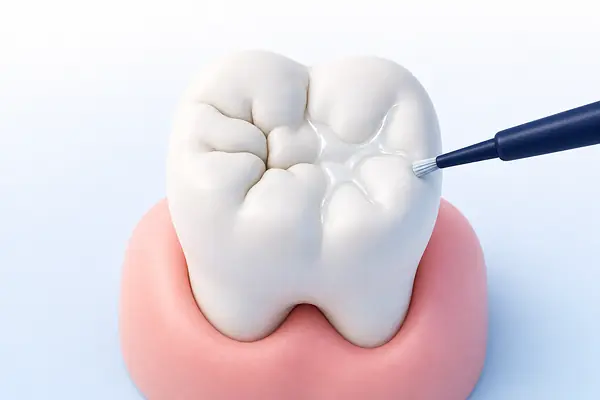
At a child's check-up, we look at how the teeth are coming through and check for early decay. When the adult back teeth (molars) come through, we may suggest fissure sealants to seal their grooves. See children's dental care, or read your child's first dental visit for what to expect the first time.
Check-ups in pregnancy
Check-ups, cleaning and needed treatment can all go ahead while you're pregnant. They matter more then, because gums often become inflamed in pregnancy, usually most in the third trimester. Tell us you're pregnant when you book, so we can plan around it.
Investing in your teeth
The cost of a check-up depends mainly on whether you need X-rays. We accept medical aid, card and cash, and you can ask about paying in instalments for any treatment that follows. Read what a dental visit costs.

How often you need a check-up
At the end of your check-up, we tell you when to come back, based on your own teeth and gums. UK guidance from NICE puts that anywhere from 3 months to 2 years for adults, and at least once a year for children and teenagers.
Booking your check-up
If you're due a scale and polish too, mention it when you book.
Ask when you book for headphones, a blanket and pillow, softer lighting or a stress ball to hold. See the comfort menu.
We're open from 9am to 12pm.


Your questions about check-ups and X-rays
Yes. Decay and gum disease often cause no pain at first, and a check-up or X-ray picks them up before they hurt.
The radiation dose is very small. A bitewing X-ray of the back teeth gives about 0.005 mSv, roughly the natural background radiation you receive in a day. A panoramic X-ray of the whole jaw gives about 0.025 mSv, around three days' worth.
Yes, when one is needed. The American Dental Association notes that studies of pregnant patients support the safety of dental X-rays and treatment.
Ask when you book and we'll tell you. Our guide to what a dental visit costs explains what a visit is made up of and how medical aid pays for it.
Book a check-up

Often booked with a check-up
Teeth cleaning
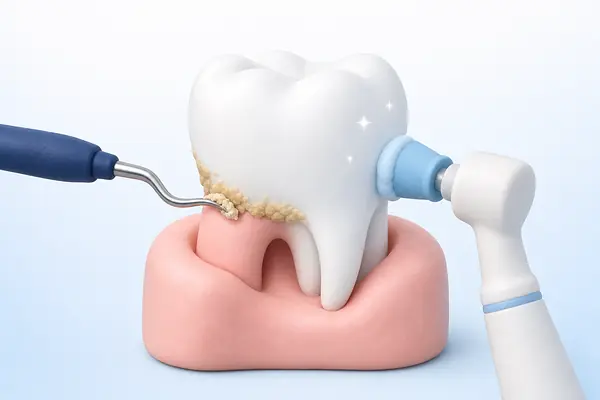
We take off tartar and surface stains, and can do your check-up at the same visit if it's due.
Fillings
A cavity, a cracked old filling or a small chip repaired in composite matched to the shade of your tooth.
Fissure sealants
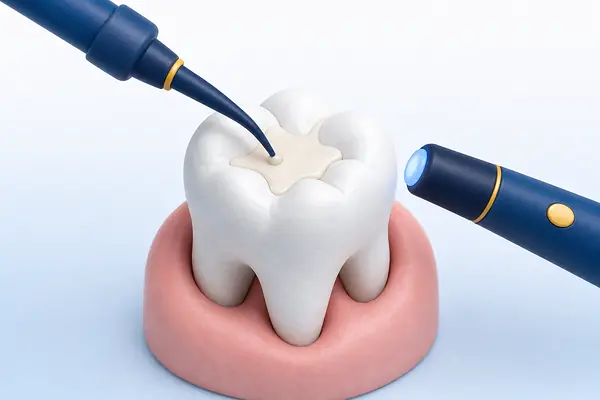
Seal the grooves where decay often starts in your child's back teeth, with no drilling and no injection.