
Teeth grinding at night: signs, causes and night guards

Grinding or clenching your teeth at night, called bruxism, usually happens without you knowing. The giveaways are a sore jaw or a headache when you wake, teeth that look worn, chipped or flat, and a partner who hears you grinding.
You can protect your teeth while you work on the cause. A night guard made to fit your mouth takes the force of the grinding while you sleep, so the wear goes on the guard instead of your teeth, and a check-up shows whether you need one.
Signs you may be grinding at night
You can't hear yourself grind in your sleep, so ask anyone who shares your room. You may also notice:
- a headache or an aching face when you wake up;
- sore or tired jaw muscles, or pain when you chew;
- trouble opening or closing your mouth fully;
- earache, or ringing in your ears (tinnitus);
- teeth that look worn, flat, chipped or cracked;
- teeth that have become sensitive.
Many people only find out at a check-up, when the wear shows on teeth that don't hurt. Clenching while you're awake is counted as a separate condition from grinding in your sleep, but the signs are much the same, and you may catch yourself doing it during the day.
What makes grinding more likely
- stress and anxiety;
- smoking;
- alcohol;
- a lot of caffeine: more than six cups of coffee a day roughly doubles the likelihood;
- some antidepressants, known as SSRIs (don't stop a medicine on your own: talk to the person who prescribed it);
- sleep apnoea, where breathing stops and starts during sleep (if you snore loudly, or someone has seen you stop breathing in your sleep, see your GP).
What grinding does to your teeth and jaw
Left unprotected, months and years of grinding and clenching can lead to:
- worn, flattened or chipped teeth, and teeth that crack or work loose;
- problems with the jaw joints, called temporomandibular joint (TMJ) disorders;
- facial pain that keeps coming back;
- poor sleep.
The sooner your teeth are protected, the less wear there is to repair. Worn or chipped edges can often be rebuilt with composite bonding once a guard is protecting them. Fillings, composite veneers and fibre bridges take the same load as your own teeth, so grinding can chip them too: read how long a fibre bridge lasts and how long composite veneers last. If a tooth has already broken, see what to do about a chipped or broken tooth.
What a night guard does, and what it does not
A night guard sits between your upper and lower teeth, so they grind against the guard instead of each other. It protects the teeth and can ease the strain on your jaw muscles. It does not stop the grinding itself.
Ours are made to fit. We take an impression of your teeth, a dental laboratory makes the guard from it, and you come back to have it fitted and your bite checked. The material is thin and firm: firm enough to take the force of grinding, and thin enough to sleep in. A sports mouth guard is a different guard, thicker and softer, for contact sport. See night guards and sports mouth guards for how long a guard lasts and how to book one.
Custom, boil-and-bite and pharmacy guards compared
You can buy a guard off the shelf or have one made from a mould of your teeth. The difference is fit:
| Guard | How it is made | Fit |
|---|---|---|
| Stock guard | Ready-made | Loose, so it moves |
| Boil-and-bite | Softened in hot water and shaped at home | Better than stock |
| Custom guard | Made by a dental laboratory from a mould of your teeth | Close, so it stays in place |
A guard you wear every night has to stay put while you sleep, and a close fit is what keeps it there. Our mouth guards and night guards page compares the three in more detail.
Other things that help
A guard looks after your teeth. These steps can reduce the grinding itself:
- Find ways to manage stress and anxiety, and ask your GP for help if they are affecting your sleep.
- Cut down on caffeine.
- Drink less alcohol.
- Stop smoking.
Teeth grinding in children
Grinding is common in children, and many grow out of it by their teens. As in adults, it can be linked to stress or to problems with sleep. Mention it at your child's next check-up so we can look for wear, and bring them in sooner if they have tooth pain, headaches or a sore jaw.
Check-ups, cleaning, fissure sealants and fillings for children are all part of our children's dental care.
Looking after a night guard
Rinse the guard when you take it out in the morning, and clean it every day with cold water, mild soap and a soft brush. Keep it in a vented case, away from heat such as hot water or a hot car. Replace it when it is worn, cracked or loose, and bring it along to your check-ups.
Common questions
A sore jaw or a headache when you wake, worn or chipped teeth and a partner who hears you grind are the usual clues. At a check-up we can see the wear even when nothing hurts.
Yes. Morning headaches and facial pain are common signs of grinding at night, along with sore jaw muscles and earache.
Yes. Over months and years it can wear, chip or crack teeth and make them sensitive. A night guard protects them while you sleep.
Yes. Stress and anxiety make grinding more likely, and finding ways to manage them can help reduce it.

Have your teeth checked for grinding
We look for wear, chips and cracks, ask about your jaw and any headaches, and tell you whether a night guard would protect your teeth.
Related treatments
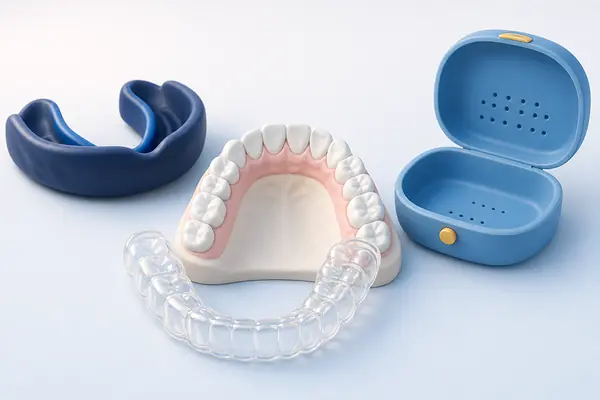
Mouth guards and night guards
A thin night guard if you grind, or a sports guard for contact sport, made from a mould of your own teeth.
Check-ups and X-rays
Catch decay and gum problems early. We examine your teeth, gums and mouth, and take X-rays only where they're needed.
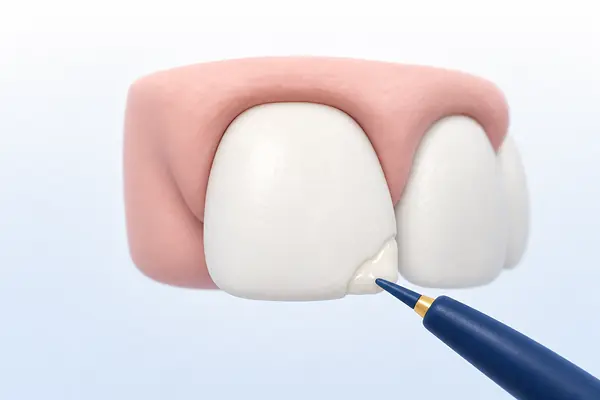
Composite bonding
Repair a chipped, worn or uneven front tooth, or close a small gap, with tooth-coloured composite, usually in one visit.
Book a check-up
Send us your name and a day that suits you on WhatsApp, and we'll confirm a time for your check-up at Durban Dental Care.

More guides on protecting your teeth

Chipped or broken tooth: what to do now and how it can be repaired
First steps after a chip or break, how urgent it is, and the ways a damaged tooth is repaired.
- Toothache and aftercare

How long does a fibre bridge last?
How long fibre bridges last in clinical studies, what usually goes wrong, and how to make one last.
- Missing teeth

Composite veneers: what they cost and how long they last
What goes into the cost of composite veneers, what research says about their lifespan, and the upkeep they need.
- Cosmetic treatment