
Closing a gap between your front teeth without braces

A small gap between front teeth that are otherwise straight can often be closed without braces, usually in a single visit. We add tooth-coloured composite to the sides of the two teeth next to the gap, shape it by hand and polish it, so each tooth becomes a little wider and the gap closes. This is composite bonding, and some people call it gap filling. If you'd also like to change the shape or colour of those teeth, composite veneers can close the gap at the same time.
If you like your gap
Many people keep the gap between their front teeth, and some see it as lucky. If it causes no problems with your gums or bite, there's no need to close it.
Why gaps happen, and what helps
A gap between the front teeth (the dental term is a diastema) has a cause, and the cause decides the treatment:
- Teeth that are small for the space, including narrow, peg-shaped side teeth. This is where bonding works well: the teeth are built up to a fuller size and the gap closes.
- Gums that have let teeth drift. Gum problems are treated first, and a professional clean is often where that starts. Gums that bleed when you brush can be a sign of gum disease.
- A missing tooth nearby. Bonding widens the teeth on either side of a small space; it can't fill the space left by a missing tooth. A fibre bridge may suit you instead.
- Your bite, or spacing elsewhere in the mouth. Composite changes the shape of teeth, not where they sit.
If a gap has opened up or grown wider recently, have it checked before you think about closing it.
Bonding and composite veneers for a gap, compared
Both close a gap with tooth-coloured composite, built up by hand on your teeth. The difference is how much of each tooth they cover.
| Compared | Composite bonding | Composite veneers |
|---|---|---|
| What it does | Adds composite to the sides of the teeth next to the gap | Covers the whole front of the teeth, closing the gap and changing their shape or colour too |
| Suits | A small gap between teeth you're otherwise happy with | A gap plus teeth you'd like to reshape or brighten |
| Visits | Usually one | Usually one |
| Drilling | Little or none | Little or none |
For a small gap, bonding is usually the simpler choice.


Closing a gap with composite bonding
-
Step 1: Check the cause
We look at your gums, your bite and the teeth around the gap before suggesting bonding, and tell you if anything needs treating first.
-
Step 2: Choose the shade
You choose a composite shade together to match your teeth. If you'd like them lighter, whitening comes first, because it doesn't change the colour of composite.
-
Step 3: Add and shape the composite
The sides of the teeth are prepared, and composite is added in layers and shaped by hand. Usually little or no drilling is needed.
-
Step 4: Polish and check your bite
The new edges are polished and your bite is checked before you leave.
How long gap bonding lasts
Composite bonding usually lasts several years, typically between 3 and 10, before it needs a touch-up or redoing. How long yours lasts depends on your habits and on how many teeth are involved. Biting ice, pens or bottle tops shortens it, and so does grinding your teeth: a night guard protects your teeth if you grind. Tea, coffee, red wine and smoking stain composite over time.
Worn or stained edges can be polished, repaired or redone, and we look at them at your check-ups. If you whiten your teeth later, the bonding may need redoing to match.
Investing in your smile
Medical schemes usually treat closing a gap as cosmetic. We take medical aid, card and cash, and you can ask about paying in instalments. If you're weighing up veneers as well, read what composite veneers cost.
Questions about closing a front tooth gap
Often, yes, when the gap is small and the teeth are otherwise straight. Composite bonding adds tooth-coloured composite to the sides of the teeth next to the gap, usually in one visit.
It depends mostly on how many teeth need composite and whether anything has to be treated first, and we go through your options at your consultation. Call 031 563 2473 or WhatsApp us to book.
Not usually. The composite is added to the sides of the teeth rather than drilled into them, and if numbing is needed, we'll tell you before we start. Some people notice short-term sensitivity afterwards.
It can, if the teeth themselves move: bonding changes the shape of the teeth, not where they sit.
Not always. Composite makes each tooth a little wider, so closing a large gap this way can leave the front teeth looking too wide. At your consultation we'll tell you whether bonding will look right for your gap, and what else could work.
Treatments for gaps and small teeth
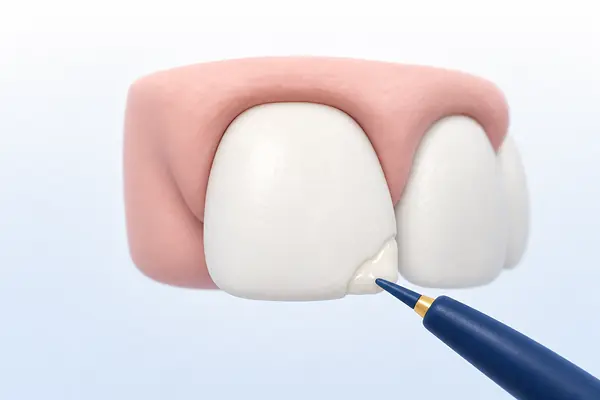
Composite bonding
Repair a chipped, worn or uneven front tooth, or close a small gap, with tooth-coloured composite, usually in one visit.
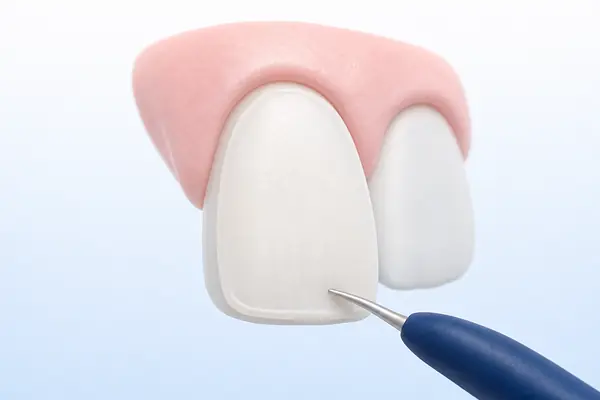
Composite veneers
Change the colour, shape and size of your front teeth with thin layers of tooth-coloured composite, shaped by hand on your teeth.
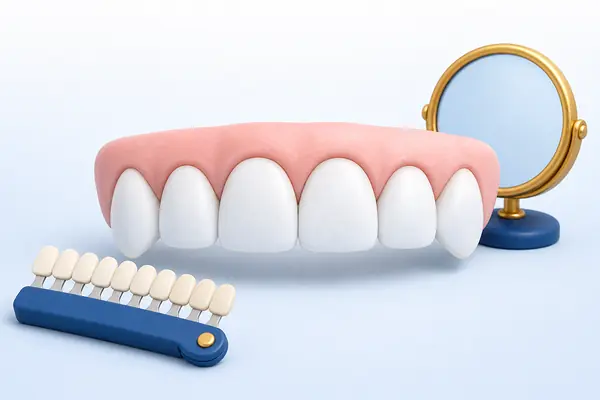
Composite smile makeover
Whitening, composite veneers and bonding planned together to change the colour, shape and size of your front teeth.
More about composite and whitening

Composite veneers: what they cost and how long they last
What goes into the cost of composite veneers, what research says about their lifespan, and the upkeep they need.
- Cosmetic treatment

Teeth whitening in South Africa: dental practice, salon or home kit?
How whitening at a practice, at a salon and with home products compare, and what South African rules say.
- Cosmetic treatment

Chipped or broken tooth: what to do now and how it can be repaired
First steps after a chip or break, how urgent it is, and the ways a damaged tooth is repaired.
- Toothache and aftercare
Book a consultation for your gap
Book a consultation for an evening or weekend at Smile Aesthetics by Durban Dental Care, or a weekday or Saturday morning at Durban Dental Care.


